Key Takeaways
- Disconnect hoses and shut off outdoor spigots from inside before the first hard freeze.
- Insulate pipes in crawl spaces, garages, attics and exterior walls.
- Keep the heat at 55°F or higher, even when you're away.
- Know where your main shut-off is, and make sure it turns.
Why Winter Is Hard on Plumbing
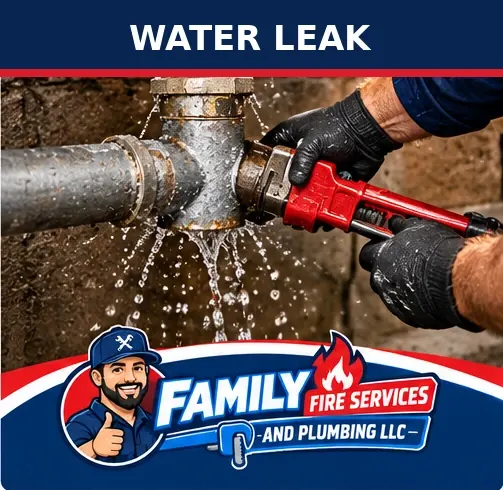
When water freezes, it expands. In a pipe, that expansion builds pressure between the ice and a closed faucet until something gives, and that's usually the pipe. The burst often isn't found until the ice thaws and water starts pouring out of a wall or ceiling.
Maryland winters swing between mild days and hard freezes, which catches a lot of homeowners off guard. The pipes most at risk are the ones in unheated or poorly insulated spaces: crawl spaces, garages, attics, exterior walls and cabinets on outside walls.
Outside the House
- Disconnect garden hoses. A hose left attached traps water in the spigot, which can freeze and split the pipe inside the wall.
- Shut off and drain outdoor spigots. Close the interior shut-off valve for each one, then open the outside faucet to drain it. Frost-free spigots still need the hose removed.
- Cover outdoor faucets with insulated foam covers for extra protection.
- Drain irrigation lines or have them blown out before the first freeze.
- Check the sump pump discharge line so it isn't blocked or frozen at the outlet.
No interior shut-off for an outdoor spigot? We can add one, or replace it with a frost-free spigot during any visit.
Inside the House
- Insulate exposed pipes in crawl spaces, unheated basements, garages and attics with foam pipe sleeves.
- Seal drafts near pipes, around rim joists, dryer vents and where pipes pass through walls.
- Open cabinet doors under sinks on exterior walls during cold snaps so warm air can reach the pipes.
- Keep the thermostat steady at 55°F or higher, day and night.
- Let faucets drip on outside walls on the coldest nights. Moving water is much less likely to freeze.
- Test your main shut-off valve so you can stop the water fast if a pipe bursts.
Don't Forget the Water Heater
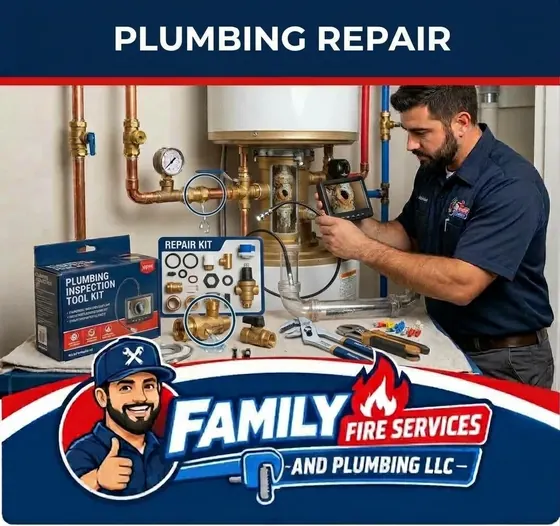
Your water heater works hardest in winter, because the water coming in is much colder. Flushing the sediment out of the tank before winter helps it heat faster and last longer. Test the relief valve, and if the tank is over about ten years old, have it checked. See water heater repair if it's struggling to keep up.
Before You Travel
- Set the heat to at least 55°F. Don't turn it off.
- Open cabinet doors under sinks on exterior walls.
- Consider shutting off the main water valve and draining the lines for long trips.
- Ask a neighbor to check the house during a deep freeze.
- Make sure your sump pump is working and has a battery backup.
If a Pipe Freezes Anyway
Low or no water from one faucet on a very cold day is the classic sign. Keep that faucet open, apply gentle heat with a hair dryer or space heater (never an open flame), and call a plumber if you can't find the frozen spot or the pipe has split. Our guide on what to do when your pipes freeze has the details.
Never thaw a pipe with a torch or open flame. It can start a fire inside the wall and can make the pipe burst.
Book a Pre-Winter Check
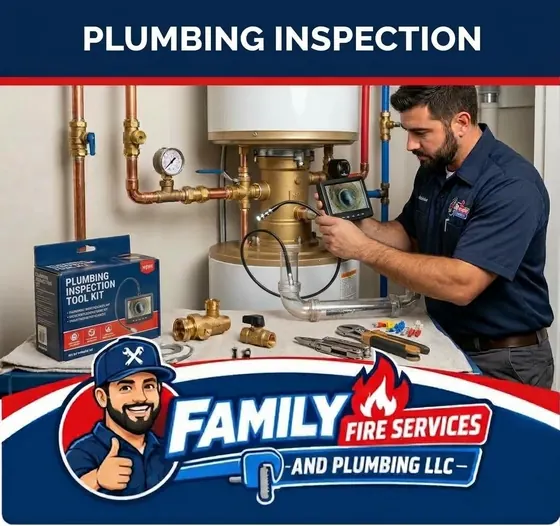
If you'd rather not crawl under the house, a quick plumbing inspection before winter finds exposed pipes, failing valves and an aging water heater while there's still time to fix them. We serve Rockville, North Bethesda, Kensington and the rest of Montgomery County.