Key Takeaways
- Inspections matter most before buying, before renovating, and in homes built before about 1960.
- Galvanized steel, polybutylene and old clay sewer lines cause the most trouble.
- A licensed plumber goes deeper on plumbing than a general home inspector.
- Finding problems early turns emergencies into planned repairs.
Why It's Worth Having Your Pipes Inspected
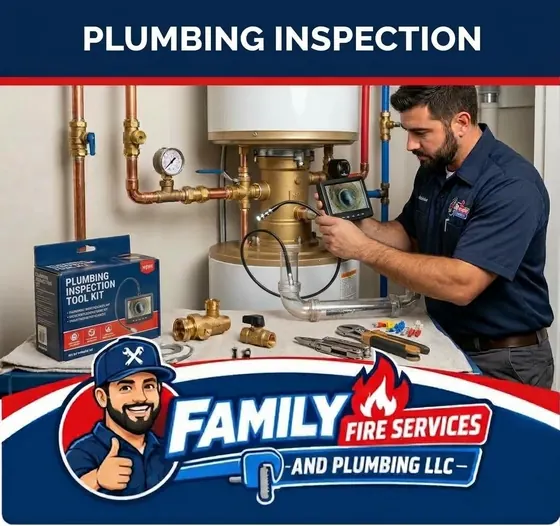
A general home inspector covers the whole house in a few hours and can only glance at the plumbing. An inspection by a licensed plumber focuses on the system most likely to cause expensive surprises: supply lines, drains, valves, the water heater and the sewer line.
- Avoid surprises after closing. Know the condition before you buy.
- Plan instead of panic. Replace aging pipe on your schedule, not during a burst.
- Renovate smarter. Open walls are the cheapest time to replace old pipe.
- Protect your insurance claim history by preventing water damage.
What a Plumber Checks
- Supply pipe material and condition
- Water pressure, and the pressure regulator if there is one
- Main shut-off and fixture valves, and whether they close
- Water heater age, venting, relief valve and expansion tank
- Drains, traps and vents, and signs of past leaks
- Visible gas piping and appliance connectors
- Signs of trouble in the sewer lateral
Pipe Materials That Cause the Most Trouble
| Material | Where you'll find it | Typical problem |
|---|---|---|
| Galvanized steel | Many homes built before about 1960 | Corrodes inside, low pressure, rusty water |
| Polybutylene | Some homes built late 1970s to mid-1990s | Fails at fittings without warning |
| Old copper | Homes from mid-century on | Pinhole leaks as walls thin |
| Cast iron drains | Older homes | Cracks, rust, slow drains |
| Clay sewer laterals | Older neighborhoods | Root intrusion, cracked joints |
When to Schedule a Pipe Inspection
- Before buying, especially a home built before about 1960
- Before a kitchen or bathroom renovation
- When you see rusty water or low pressure at several fixtures
- After repeated leaks or clogs
- After 20 or more years in the same house
In older neighborhoods with mature trees, the sewer lateral is the most expensive part of the plumbing most buyers never see. A sewer camera inspection is the best way to see inside it.
What Happens After the Inspection
You should get a clear summary: what's urgent, what's worth planning for, and what's fine. From there, the fix might be a repair, repiping, sewer line repair or a new water heater.
Our plumbing inspection service covers homes across Montgomery County, especially the older housing in Silver Spring, Takoma Park and Kensington, plus larger homes in Potomac.